Radicalyps: A Bold and Thick Display Font for Editorial Impact
As a content creator, the right font can make or break your publication's visual appeal and readability. Radicalyps, with its cool, bold, and thick lettering, is an exceptional display font that can elevate any design project. Whether you're working on a blog, magazine, ebook, or newsletter, Radicalyps brings a unique and impactful presence to your editorial designs.
The Visual Characteristics of Radicalyps
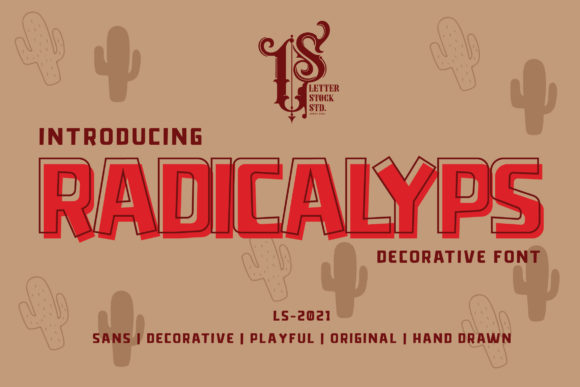
Radicalyps is characterized by its robust and commanding style. The thick, bold strokes give it a strong and modern feel, making it perfect for grabbing attention and setting a powerful tone. Its clean lines and well-defined shapes ensure that it remains legible even at smaller sizes, which is crucial for various publishing formats.
Enhancing Your Publication with Radicalyps
One of the key strengths of Radicalyps is its versatility in editorial design. Here are some practical ways to incorporate this premium font into your projects:
- Blog Headers and Titles: Use Radicalyps for your blog post titles to create a striking first impression. Its boldness can help your posts stand out and draw readers in.
- Magazine Covers and Section Openers: For magazine covers and section openers, Radicalyps adds a dynamic and contemporary touch. It can set the tone for the entire issue and guide the reader through different sections.
- Ebook Titles and Chapter Openers: In ebooks, use Radicalyps for the title page and chapter openers to create a cohesive and professional look. It helps in establishing a consistent brand identity throughout the book.
- Newsletter Graphics and Headings: Incorporate Radicalyps in your newsletters for eye-catching headings and graphics. This can help in engaging your audience and making your content more memorable.
Creating Visual Hierarchy and Reader Engagement
Visual hierarchy is essential in guiding the reader's attention and enhancing the overall reading experience. Radicalyps, with its bold and thick lettering, is ideal for creating a clear and effective visual hierarchy. Use it for main headings, subheadings, and pull quotes to highlight important information and maintain the reader's interest.
Practical Examples for Different Content Types
Here are some specific examples of how Radicalyps can be used in various content types:
- Lifestyle Blog: For a lifestyle blog, Radicalyps can be used for post titles and section headers to create a modern and chic aesthetic. Pair it with a clean sans serif font for body text to balance the boldness.
- Recipe Ebook: In a recipe ebook, Radicalyps can be used for the title page, chapter headings, and recipe names. This will give your ebook a professional and inviting look, making it a joy to read and use.
- Wedding Guide: For a wedding guide, Radicalyps can add a touch of elegance and sophistication. Use it for the cover, section titles, and key points to create a visually appealing and organized guide.
- Coaching Workbook: In a coaching workbook, Radicalyps can be used for the cover, module titles, and key takeaways. This will help in creating a structured and motivating workbook that engages the reader.
Readability Considerations
While Radicalyps is a highly impactful font, it's important to consider readability, especially for longer texts. Use Radicalyps for headings, titles, and short text elements where its boldness can shine. For body text, pair it with a readable serif or sans serif font to ensure a comfortable reading experience. This combination will also help in maintaining a balanced and professional look across all your publications.
Font Pairing for Editorial Use
Choosing the right font pairing is crucial for achieving a harmonious and professional design. Here are some suggestions for pairing Radicalyps with other fonts:
- Serif Font: Pair Radicalyps with a classic serif font like Garamond or Baskerville for a traditional and elegant look. This combination works well for magazines and print publications.
- Sans Serif Font: For a more modern and clean appearance, pair Radicalyps with a sans serif font like Helvetica or Arial. This is ideal for digital publications, such as blogs and newsletters.
Commercial Licensing and Design Assets
When using Radicalyps for commercial projects, such as ebooks, templates, and client publications, it's important to check the licensing terms. Ensure that you have the appropriate commercial license to use the font in your projects. This will help you avoid any legal issues and ensure that your design assets are fully compliant.
In conclusion, Radicalyps is a versatile and impactful display font that can significantly enhance your editorial designs. By incorporating it thoughtfully into your projects, you can create visually appealing and engaging content that resonates with your audience. Experiment with different uses and pairings to find the best fit for your unique publishing needs.